![Why Kids Need Grandparents More Than Ever [Science]](https://giglegravity.site/wp-content/uploads/2026/07/Why-Kids-Need-Grandparents-More-Than-Ever-Science.jpg)
Grandparents Can Strengthen Children’s Mental Health
Grandparents may play a much greater role in supporting children’s mental health than many families realise. Their experience, emotional support, and close family connection can help young people manage stress, loneliness, and difficult emotions.
More than 40% of teenagers in the United States report persistent feelings of sadness or hopelessness. Child psychologist Kenneth Barish, Ph.D., a Clinical Professor of Psychology at Weill Cornell Medicine, believes grandparents could provide valuable support during this growing youth mental health crisis.
According to Dr Barish, the reduced involvement of extended family members may have weakened an important source of emotional security, guidance, and stability for children. Strong relationships with grandparents can give young people a safe place to talk, feel understood, and develop greater emotional resilience.
Their involvement may not replace professional mental health care, but it can strengthen family support systems and help children feel less isolated while facing modern social and emotional pressures.
Why Grandparents Still Matter in Modern Families
Modern parents often raise children with far less extended family support, community care, and intergenerational guidance than families had in the past. According to Dr. Barish, a Fellow of the American Psychological Association, children have always benefited from the presence of grandparents, and this support remains important today.
In his book, The Art and Science of Parenting and Grandparenting, Dr. Barish uses more than 40 years of clinical experience, along with research from neuroscience, child development, and education, to explain how grandparents can help families manage the pressures of modern parenting. He highlights that grandparents can provide emotional support, practical help, family wisdom, and a stronger sense of connection for children and parents alike.
How Purpose Supports Children’s Mental Health
Grandparents can play an important role in helping children develop a healthier sense of purpose, kindness, and connection. Dr. Barish explains that modern American culture often focuses too much on individual achievement, while giving less attention to community, empathy, and caring for others.

This pressure to succeed can affect a child’s emotional well-being. Research has linked intense achievement pressure with higher levels of anxiety, depression, and substance abuse, especially in wealthy communities. Dr. Barish argues that children need motivation that goes beyond grades, awards, or personal success. A life built only around achievement can create stress, while helping others can bring more emotional balance and mental strength.
Psychologist Jane Piliavin’s research also shows that helping others is connected with better self-esteem, lower depression rates, fewer school dropouts, stronger immune function, and even longer life expectancy.
To build these benefits, Dr. Barish encourages families to volunteer together and talk with children from an early age about empathy, kindness, compassion, and understanding other people’s feelings and needs. These conversations help children develop a deeper sense of meaning, responsibility, and purpose. According to Dr. Barish, teaching children to care about others can be just as important as homework, discipline, and correcting mistakes.
The Emotional Support Grandparents Give Children
Grandparents can support children’s mental health in ways that go beyond helping parents with daily tasks. Dr. Barish explains that grandparents often provide small but powerful moments of attention, encouragement, understanding, and emotional support. These moments help strengthen a child’s emotional resilience and protect their emotional well-being.
Children benefit greatly when they believe that someone will truly listen, understand their feelings, and help them feel less alone. This kind of support teaches children that problems can be solved, relationships can be repaired, and difficult emotions will not last forever. Over time, these lessons help build stronger coping skills, confidence, and a healthier emotional immune system.
Dr. Barish also emphasizes the value of play, shared joy, and showing real interest in a child’s hobbies, dreams, and goals. When grandparents celebrate children’s interests and spend meaningful time with them, they help create stronger family bonds, deeper trust, and better emotional security.
Why Too Much Criticism Can Hurt Children
Dr. Barish explains that one of the biggest parenting challenges is not excessive praise, but frequent criticism. In his clinical work with families, he has seen that many caring parents and relatives do not realize how harmful repeated criticism can be for a child’s emotional development.
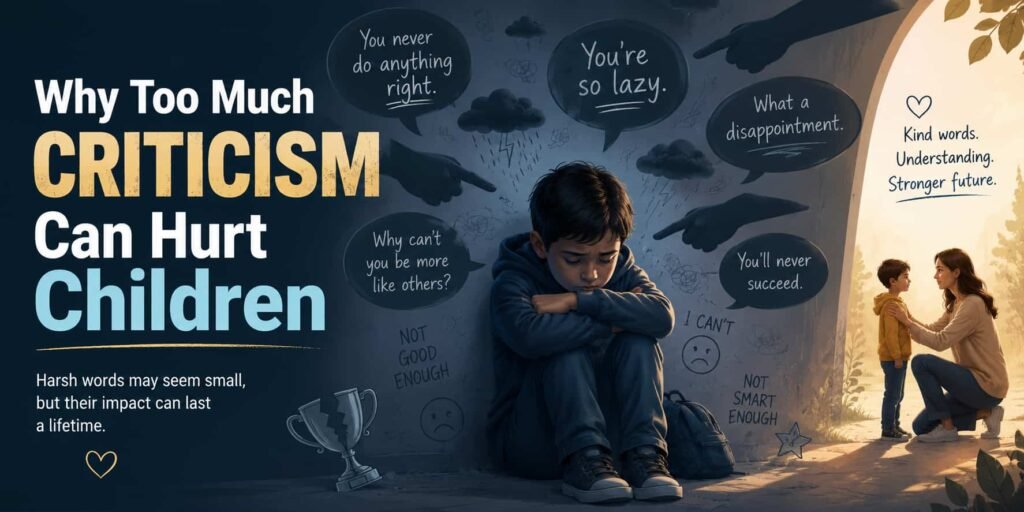
Constant criticism does not usually make children try harder. Instead, it can create resentment, defiance, low motivation, and reduced self-confidence. Over time, children may lose their sense of initiative, become afraid of making mistakes, or feel that their efforts are never good enough.
However, Dr. Barish also notes that praise must be used wisely. Based on Carol Dweck’s idea of a growth mindset, adults should praise a child’s effort, learning, persistence, and improvement, rather than only praising natural intelligence, talent, or high grades.
This approach helps children understand that success comes from practice, patience, and hard work. It also teaches them to keep learning, even when something feels difficult.
Building Cooperation and Inner Confidence in Children
Dr. Barish explains that raising children often means guiding them through difficult behavior, emotional struggles, and moments of conflict. In his book, he presents 21 research-based parenting principles designed to improve cooperation, using both scientific evidence and decades of clinical experience.
One of his key recommendations is to involve children in collaborative problem solving. Instead of relying mainly on punishment, he suggests giving children a chance to pause, reflect, and reset their behavior. This approach helps children learn responsibility while also protecting their emotional development and self-confidence.
Dr. Barish believes that helping children succeed is not only about teaching practical skills. It is more about building emotional strength, resilience, confidence, and strong family relationships. Children grow best when adults talk with them, help them manage painful feelings, and support their inner sense of pride and purpose.
When children feel understood and emotionally supported, they are more likely to work harder, recover from setbacks, show kindness, care about others, and follow their interests with greater enthusiasm, commitment, and sense of purpose.
Read Also: Physicists Reveal Fractional Fermi Sea [Quantum]Summary: Why Kids Need Grandparents More Than Ever [Science]
Grandparents can play an important role in strengthening children’s mental health by offering emotional support, guidance, and a safe space to talk.Their presence helps children feel less lonely, more understood, and better able to handle stress, sadness, and difficult emotions.Dr. Barish explains that children need more than achievement; they also need purpose, kindness, empathy, and strong family connections.He also warns that frequent criticism can harm confidence, while praise for effort and learning can build resilience.Overall, supportive grandparents can help children develop emotional strength, self-confidence, and a deeper sense of meaning in life.