![4,000-Year-Old Tablets Reveal Lost Magic [Shocking]](https://giglegravity.site/wp-content/uploads/2026/07/4000-Year-Old-Tablets-Reveal-Lost-Magic-Shocking.jpg)
Ancient Clay Tablets Enter the Digital Era
A 5,000-year-old writing technology is gaining new life in the digital age. Researchers from the National Museum of Denmark and the University of Copenhagen have studied, identified, translated, and digitised a major collection of ancient cuneiform tablets. The project allows people to explore valuable records from some of the world’s earliest civilisations.
For more than a century, the museum has protected thousands of clay tablets created by ancient societies in the Middle East. Many of these objects are more than 4,000 years old and contain texts written in languages that are no longer spoken. Although much of the collection remained unexamined for decades, researchers have now decoded many of the tablets.
The writings reveal a wide range of information about ancient life, including magical rituals, royal records, economic activities, legal matters, and everyday administrative documents. These discoveries provide important evidence about how early communities organised religion, government, trade, and society.
Cuneiform first appeared around 5,200 years ago in regions that are now part of Iraq and Syria. People created the script by pressing wedge-shaped symbols into wet clay. This early writing system helped support the growth of complex cities, trade networks, and organised governments. It allowed officials to record goods, manage workers, document decisions, and preserve knowledge for future generations.
Forgotten Cuneiform Records Revealed
Over the last century, the National Museum of Denmark has built an important collection of ancient cuneiform tablets. However, many of these objects were not fully examined until researchers from the museum and the University of Copenhagen launched a major study called Hidden Treasures: The National Museum’s Cuneiform Collection.
The project represents the first complete effort to analyse, identify, document, and digitise the entire collection. Through this work, scholars discovered many different types of writing, including personal letters, financial accounts, medical treatments, administrative records, religious practices, and magical texts.
Exceptional Discoveries from Ancient Hama
Some of the most valuable tablets came from Hama, an ancient city in present-day Syria. Danish archaeologists first excavated the area during the 1930s. Historical evidence suggests that Assyrian forces destroyed Hama in approximately 720 BC and removed many valuable objects to Assur, their imperial capital in what is now Iraq.
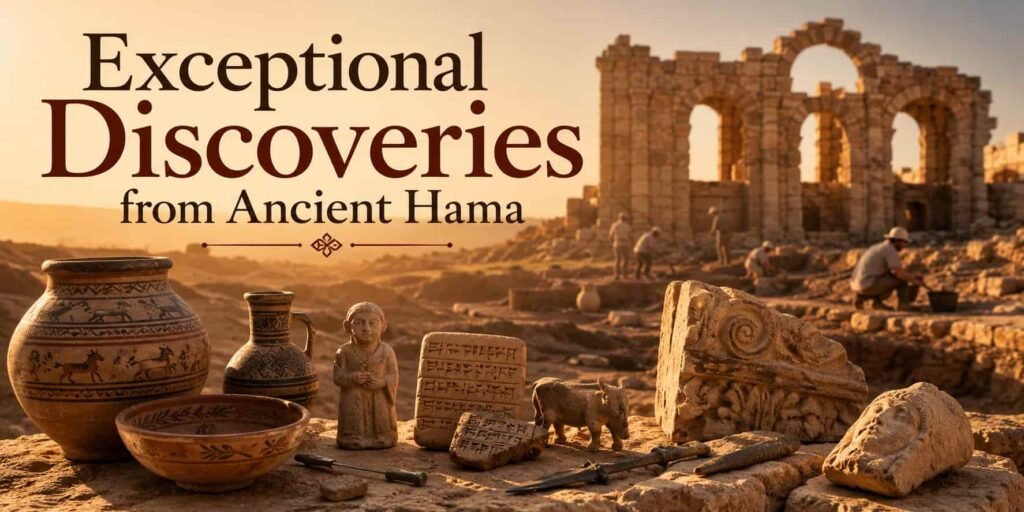
A small number of tablets remained among the city’s ruins and were later transferred to the museum. These nearly 3,000-year-old texts contain information about healing methods, ritual practices, and magical incantations. Researchers believe they once belonged to a large temple library, although most of its other written records disappeared.
According to Assyriologist Troels Pank Arbøll, the Hama tablets are extremely rare because very few comparable texts have survived from the same place and historical period.
A Royal Ritual Against Witchcraft
One tablet attracted particular attention because it described an ancient anti-witchcraft ritual. Such ceremonies were believed to protect the Assyrian king from danger, political unrest, bad luck, and other threats to royal authority.
The ritual continued throughout the night. During the ceremony, an exorcist recited carefully chosen incantations while burning small human figures made from wax and clay. These symbolic acts were intended to remove harmful supernatural forces and prevent misfortune.
The discovery surprised researchers because this type of ritual was normally linked to the political and religious centres of the Assyrian Empire. Hama was located far from those major centres, showing that Assyrian beliefs, medical knowledge, and ritual traditions may have travelled much farther than previously understood.
Read Also: Daily Music Linked to Lower Dementia Risk [Study]Ancient Rulers Preserved in Clay
One of the most important discoveries is a copy of an ancient king list containing the names of both legendary rulers and real historical kings. The document traces royal leadership back to a period described as being before Noah’s Flood, blending mythology with early historical traditions.
Researchers believe the tablet held by the National Museum of Denmark was probably used as a teaching tool. It includes rulers from the late third millennium BC and may have helped students learn about ancient history, kingship, and written records.
Other surviving versions of the same list mention Gilgamesh, the famous hero and ruler associated with the Epic of Gilgamesh. According to Assyriologist Troels Pank Arbøll, these lists are among the limited pieces of evidence suggesting that Gilgamesh may have been a genuine historical figure rather than a completely fictional character. Researchers were especially surprised to discover that a copy of this important text had remained unidentified in Denmark.
Messages and Records from Early Societies
Another important group of cuneiform tablets was uncovered during excavations at Tell Shemshara in 1957, in present-day northern Iraq. Dating from around 1800 BC, the collection includes letters exchanged between a local ruler and an Assyrian king, as well as several administrative documents.
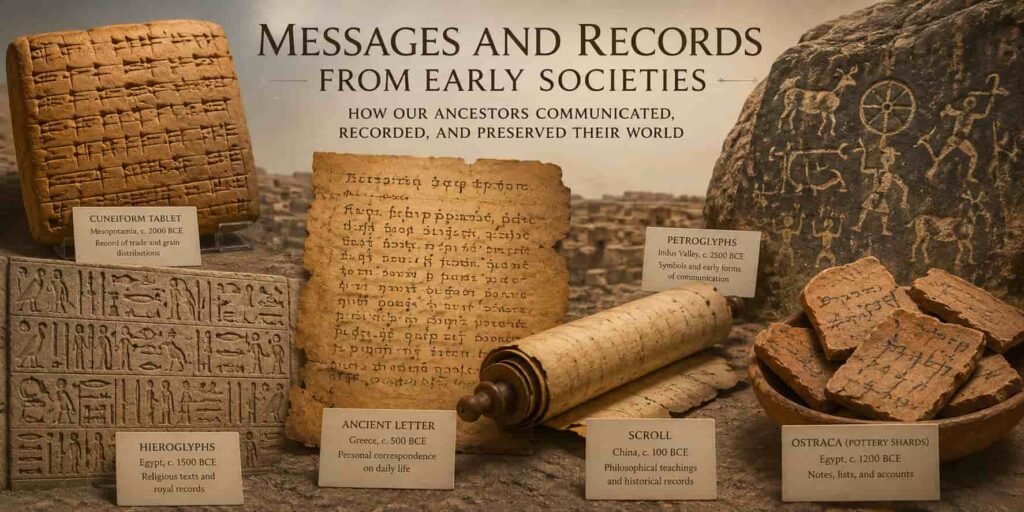
These writings offer valuable information about political communication, leadership, and daily life in ancient communities. They also demonstrate how written language supported the organisation of growing societies.
Many tablets contain practical records such as financial accounts, inventories, lists of workers, deliveries, and stored goods. Such evidence shows that ancient states had developed complex systems of bureaucracy, administration, and economic management.
One particularly ordinary but fascinating tablet records an ancient beer receipt. Although simple, the document reveals that cuneiform writing was used not only for royal stories and religious rituals, but also for routine purchases and everyday transactions.
Bringing Cuneiform Heritage Online
The Hidden Treasures project aims to preserve and make the museum’s full cuneiform collection available through modern digitisation. The research is led by Nicole Brisch of the University of Hamburg and Anne Haslund Hansen of the National Museum of Denmark.
The project has received financial support from the Carlsberg Foundation, the Augustinus Foundation, and the Edubba Foundation. By documenting and digitising these tablets, researchers are protecting ancient knowledge while making it easier for scholars and the public to study the languages, governments, economies, and cultures of the ancient Middle East.
Summary: 4,000-Year-Old Tablets Reveal Lost Magic [Shocking]
The National Museum of Denmark has digitised and studied a major collection of ancient cuneiform tablets from the Middle East.The texts include royal records, medical treatments, magical rituals, letters, financial accounts, and everyday administrative documents.Important discoveries from Hama include rare healing texts and an anti-witchcraft ritual linked to Assyrian royal power.Other tablets contain ancient king lists mentioning Gilgamesh, political correspondence, inventories, and even a beer receipt.The Hidden Treasures project is preserving this knowledge and making it more accessible to researchers and the public.