![Hidden Brain Activity Seen Under Anesthesia [Discovery]](https://giglegravity.site/wp-content/uploads/2026/07/Hidden-Brain-Activity-Seen-Under-Anesthesia-Discovery.jpg)
The Brain May Predict What Comes Next During Unconsciousness
New research suggests that the brain may continue to process information, read patterns, and make predictions even when a person is fully unconscious. This means that certain forms of neural activity, language processing, and predictive coding may still happen without normal awareness.
In simple terms, the brain might keep working in the background, trying to understand what is coming next, even when someone is not consciously awake.
Unconscious Brain May Still Understand Language
New research from Baylor College of Medicine suggests that the human brain may still carry out complex language processing even when a person is fully unconscious under general anesthesia.
The study, published in Nature, challenges the common belief that advanced cognitive processing, prediction, and language understanding always require conscious awareness. Researchers found that the brain may continue to detect word patterns, follow semantic meaning, and predict what comes next, even when the person is not awake.
These findings could help scientists better understand the connection between consciousness, memory, neural activity, and cognition. They may also support future research in natural language processing, brain-computer interfaces, and how the brain handles speech, meaning, and information processing without awareness.
The Unconscious Brain May Still Process Information
According to Dr. Sameer Sheth of Baylor College of Medicine, the brain may remain more active during unconsciousness than scientists once believed. Even when patients are fully under general anesthesia, their brains may still continue processing information, detecting patterns, and analysing signals from the surrounding environment.
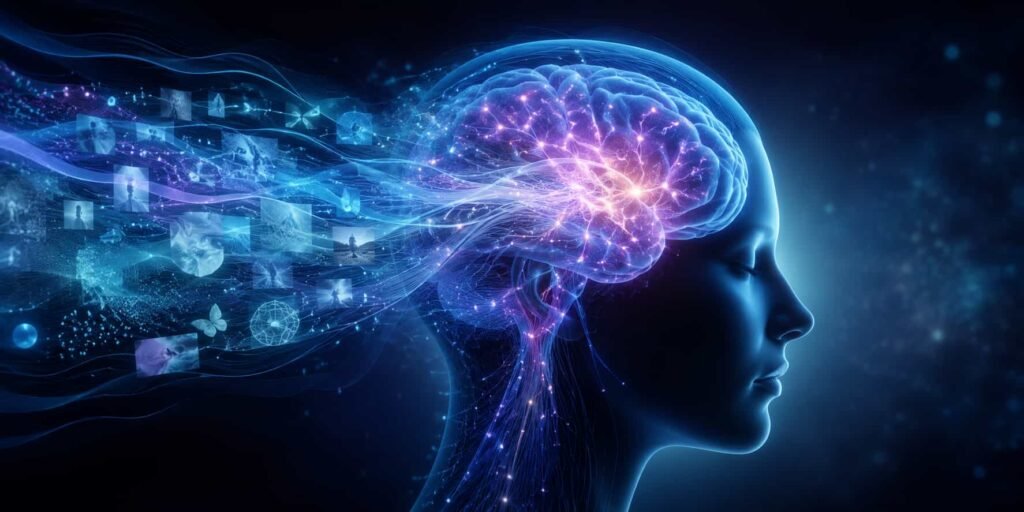
This suggests that the unconscious brain may still support certain forms of neural activity, cognitive processing, language analysis, sensory processing, and predictive processing, even without normal conscious awareness.
Studying Brain Responses During Anesthesia
To understand what the unconscious brain can still do, Dr. Sameer Sheth and his team recorded the activity of hundreds of single neurons in the hippocampus, a brain area strongly linked to memory, learning, and information processing.
The recordings were taken from patients who were undergoing epilepsy surgery while under general anesthesia. This gave researchers a rare chance to directly observe brain activity in a deep memory-related region while patients had no normal conscious awareness.
The team used advanced Neuropixels probes to measure how the hippocampus responded to sounds, speech, and language signals during unconsciousness. This technology allowed scientists to study neural responses, auditory processing, language processing, semantic processing, and cognitive activity in a way that had not been done before in this brain region.
The Unconscious Brain Can Still Follow Language
The study showed that the brain may continue to process sound, speech, and language even when a person is fully unconscious under general anesthesia.
In the first experiment, patients heard repeated tones along with occasional unexpected sounds. Researchers found that neurons in the hippocampus could detect these unusual sounds. Over time, the brain became better at recognising them, which suggests that some form of learning, adaptation, or neural plasticity was still happening during anesthesia.
The researchers then tested something more complex by playing short stories while recording brain activity. The hippocampus showed clear signs of real-time language processing. Patterns in neural signals suggested that the brain could identify different parts of speech, such as nouns, verbs, and adjectives.
The most surprising finding was that the brain seemed able to predict upcoming words before they were spoken. This means the unconscious brain may still use predictive coding, a process where the brain guesses what is likely to come next based on previous context, word patterns, and semantic meaning.
Dr. Sameer Sheth explained that the brain appeared to follow the flow of a story and anticipate the next words even without conscious awareness. Dr. Benjamin Hayden added that this type of prediction, usually linked with being awake and focused, was also seen in an unconscious state.
Read Also: Ape Laughter Hints at Human Speech [Hidden Origin]What This Means for Consciousness and Language
These findings suggest that some important cognitive functions, including language comprehension, word prediction, and semantic processing, may continue even without conscious awareness. This challenges the idea that the brain must be fully conscious to understand speech, follow context, or predict what may come next.
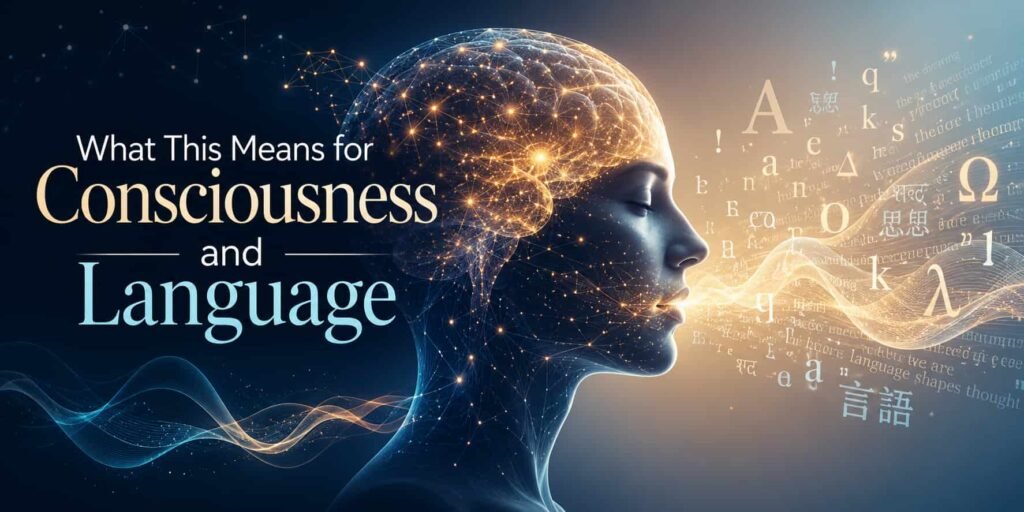
The study also suggests that consciousness may not come from one brain area alone, such as the hippocampus. Instead, it may depend on communication between several brain regions working together.
Researchers also noticed a link between the brain’s predictive processing and artificial intelligence. In a similar way to how large language models predict the next word when generating text, the hippocampus appeared to predict upcoming words during language processing. This connection may help scientists better understand both human intelligence and machine learning.
The research may also support future brain-computer interface technology. One possible use is the development of speech prosthetics for people who cannot speak because of stroke, brain injury, or damage to language-related brain areas. According to Dr. Vigi Katlowitz, these brain signals may one day help scientists design tools that restore or support communication.
Why the Findings Need Careful Study
The researchers said these results should be understood with caution. The study looked at only one form of general anesthesia, so the findings may not apply to other states of unconsciousness, such as sleep, coma, or different types of anesthesia.
The research also focused mainly on the hippocampus, a brain area linked to memory, learning, language processing, and prediction. Scientists still need to find out whether similar neural activity, cognitive processing, and predictive coding happen across other brain regions.
Dr. Sameer Sheth explained that the study encourages scientists to think differently about consciousness. The findings suggest that the brain may continue working in hidden ways, even when a person has no normal conscious awareness.
Summary: Hidden Brain Activity Seen Under Anesthesia [Discovery]
New research suggests that the unconscious brain may still process sounds, speech, and language during general anesthesia.Scientists found that neurons in the hippocampus could detect unusual tones, follow story patterns, and recognise parts of speech.The brain also appeared to predict upcoming words, showing signs of predictive coding without conscious awareness.These findings challenge old ideas about consciousness, cognition, and language comprehension.However, more research is needed because the study focused o